

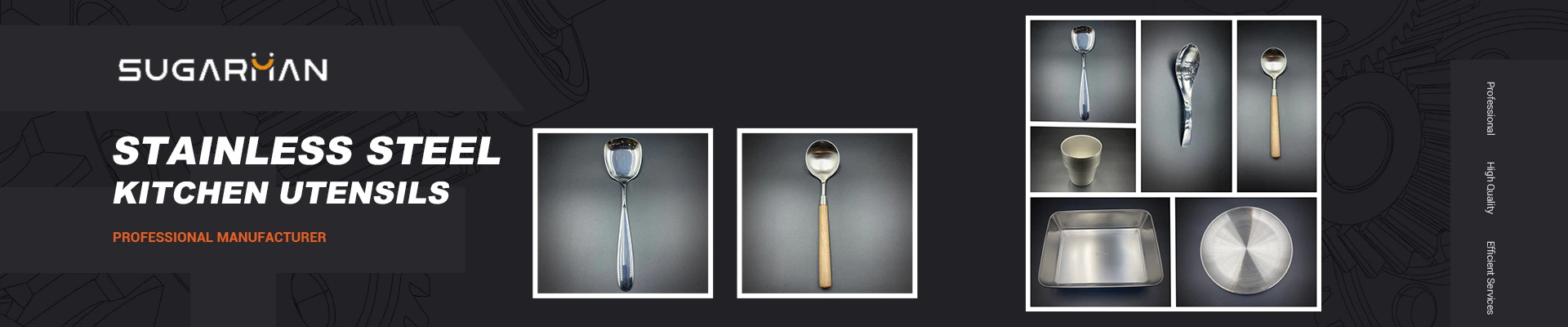


Why Choose Us
Quality control
We have a complete and scientific quality management system. The process from raw materials to production and shipment has undergone strict testing to meet customer and various export requirements.
Rich experience
We are not only a traditional trading company, but also have our own factory (China Anke). Over the years, we have been committed to R&D, design, manufacture, sales of high-quality products. They are loved and praised by customers.
Excellent service
Our team is dedicated to providing exceptional customer service and ensuring that our customers are always satisfied. 'Thoughtful, comprehensive and timely service' is our eternal commitment! We can quickly respond to the market and produce Silicone Dining Mat that meet the needs of different customer groups.
Advanced equipment
There are laser cutting machines, CNC punching machines, CNC bending machines, powder coating machines, injection molding machines, ordinary punching machines and other professional production lines in the workshop. The entire production processes can guarantee customer satisfaction. Well-equipped facilities and experienced staff are committed to strictly quality control.


What is Kitchen Utensils
Kitchen utensils refer to the tools, utensils, and equipment used in the preparation, cooking, and serving of food in a kitchen. This includes cutlery, pots, pans, measuring cups, cutting boards, and many more. Kitchen utensils are necessary for preparing food, cooking it, and presenting it to your family or guests.
Advantages of Kitchen Utensils
Reliable kitchen utensils save cooking time
Cooking fast does not mean that the quality of your food suffers. It is why quality kitchen utensils are beneficial if you live a fast-paced life. You ensure that your food is cooked on time and plan your meals based on your schedule.
01
Reliable kitchen utensils let you cook dishes with ease
With the right utensils, cooking is made easy and more efficient. You will never realize the importance of a silicone utensil set (especially one that includes a pasta fork!), if you never try! These kinds of utensils help out with the rigorous and often messy preparation process before cooking.
02
The right kitchen utensils produce the right taste
There are recipes required to be grilled or cooked under special conditions. You must know the best utensils to use when cooking over charcoal to bring out the smokey taste. Ingredients must also be measured properly to capture the aroma of the food you’re making.
03
Reliable kitchen utensils are user-friendly system
Silicone utensils work best with non-stick pans making them user-friendly for casual cooking. Since they are made of rubber, they won’t scratch on your metal wares. At the same time, they are toxin-free (given the right temperature) and are more durable than cooking wares made of plastic.
04
Level up your food presentation with the right kitchen utensils.
It is harder to eat out, especially now that we’re in a pandemic. But, you can recreate the platters you experience in restaurants at the comfort of your own home—given the right kitchenware. This is a dream come true for a person who loves food!
05
Types of Kitchen Utensils
Silicone kitchen utensils
The Silicone Dining Mat is a mat made of food-grade silicone that is designed to provide a non-slip, non-stick surface for your plates, bowls, glasses, and cutlery.
Silicone cooking utensils set
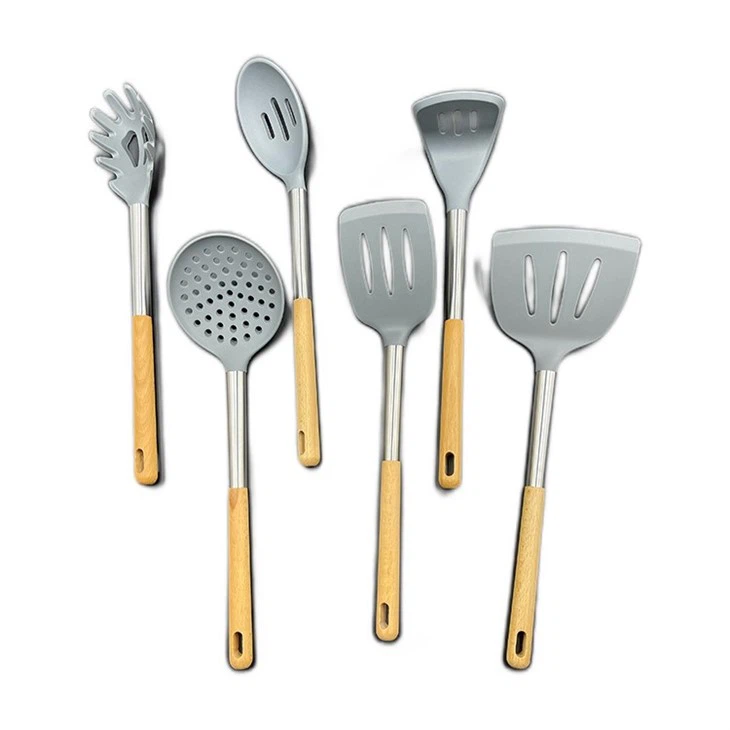
Our Silicone Kitchen Utensils Set Of 5 PCS is a must-have tool for any kitchen. Made with premium quality silicone material, our set is durable, heat-resistant, and safe for cooking.


Plastic kitchen utensils
Our measuring cups and spoons set boasts several unique features that set it apart from the rest in the market.
Stainless steel kitchen utensils
Thickened stainless steel plate, sturdy and durable. The surface is smooth, not easily dirty, and easy to clean.
Material of Kitchen Utensils
The material of your kitchen utensils goes a long way in determining their longevity, durability, and most importantly, their effects on your health.
Stainless steel
Stainless steel is a popular choice for many kitchen utensils due to its durability and heat resistance. It does not corrode, rust or stain, ensuring the longevity of your utensils. Moreover, stainless steel is non-reactive, which means it does not leach any harmful chemicals into your food.
Wood
Aside from its natural aesthetic appeal, wooden kitchen utensils are valued due to their heat resistance and non-conductivity, making them safe to use even in hot cookware. They are also gentle on pans, preventing scratching, which is especially important if you use non-stick cookware.
Plastic and silicone
Plastic is lightweight and relatively cheap compared to other materials. Silicone utensils share many of the benefits of plastic but are more heat-resistant and flexible. However, it’s paramount to choose BPA-free plastic and food-grade silicone to avoid any chemical leakage into your food.
The Considerations for Buying Kitchen Utensils
PlatesOne of the most important things to consider when purchasing kitchen utensils is durability. For example, you will want a set that can stand up to daily wear and tear in your household for a long time. If one piece breaks or something gets stained after only a few months, it’s not worth spending money on the item.
The purpose of kitchen utensils is to make life easier. Using them means being able to cook delicious meals without too much effort and making the process as fast. It gives you enough time to do other things or sit down with your family for a delightful meal after work.
Another factor to consider when purchasing kitchen utensils is how comfortable they feel in your hands. If you enjoy cooking, you will use these tools almost every day, so it’s important that the handles fit well and don’t slip out of place as you use them.
Consider buying kitchen tools in sets, so you do not have to purchase individual items. While it may cost more, you will save in the long run.
It is essential to set a budget that you are comfortable with. It’s also helpful to determine how much money should be allotted for quality goods versus low-priced items.
Maintenance Tips For Kitchen Utensils
Your kitchen utensils are the lifeblood of your kitchen. Therefore, properly taking care of it is essential to make last longer and to ensure that your food is safe.

Keep Your Knives Sharp
Most kitchen utensils don’t need much maintenance – as long as you keep them clean and don’t work too roughly with them, they should work fine. That being said, knives are a slightly different story, since you will want to make sure that they stay nice and sharp.

Keep Things Clean
If you don’t keep your kitchen utensils clean, the odds are that they won’t function correctly. They may get blocked and also be more prone to breakages and rust. Of course, there are also health risks associated when using dirty kitchen utensils.

Only Use Things For Their Intended Purpose
Firstly, you always need to check whether something is microwave or oven safe before placing it inside. Otherwise, you could end up with quite a big disaster on your hands.

Don’t Let Them Rust
As mentioned, not properly cleaning your kitchen utensils could lead to rust, but other factors also play a role. If you want to keep your utensils rust-free, you need to make sure that you are taking steps to ensure that they don’t rust.
Streamline Your Utensil Collection
If your kitchen plays host to a few more utensils than the average, it's probably time to start cutting back. Those that are broken or damaged are easy to part with, so start there, then move on to duplicates.
Sort Utensils into Categories
Unlike cutlery drawers, where you section off knives, forks, spoons etc., utensils tend not to have sub-categories; everything from spatulas and serving spoons to corkscrews and tin openers get shoved in together, all under the same label. According to Laura, this is where we go wrong.
Zone Utensils to Suit Your Kitchen – and Lifestyle
You don't have to store all your utensils in one place. In fact, we'd advise against it. Once you've got your categories sorted, think about where they would be best stored within your kitchen layout, bearing in mind the six key zones of kitchen organizing. You want them where you need them, when you need them.
Factor in Frequency of Use
You'll almost certainly have utensils that you don't use everyday, but that you use enough to justify holding onto them – think speciality cooking equipment, baking utensils, seasonal tools, etc. Free up prime kitchen storage space by including them as part of your pantry storage ideas, or positioning them out of the way atop kitchen cabinets. You could even consider storing them outside of the kitchen, altogether.
Use Dividers to Keep Them Neat
If you are storing utensils in drawers, you'll want to invest in decent organizers to keep them neatly contained. Store-bought dividers are a less pricey alternative to built-in fittings and can be adapted over time if your needs change. They come in many shapes and sizes, so measure up first to ensure you're making the best use of space.
Store Everyday Utensils in a Countertop Crock
When organizing kitchen countertops, the general rule is to keep them as clear as possible. However, there is a case for keeping your most-used utensils on the side, particularly if you're lacking in drawer space, or small kitchen storage ideas. The trick is to be selective about what you store, as well as what you store them in.
Use Hanging Organizers
Hanging utensils on the wall is a space-saving tactic, and gives you more versatility for positioning, too. Given the different shapes, sizes and styles, a simple rail is your best bet; you can add hooks for larger, more awkwardly shaped utensils as well as wire baskets for holding silverware, smaller items, or any utensil that doesn't have a hole in the handle.
Store Utensils Vertically
If you're struggling to fit longer utensils into drawers horizontally, consider storing them vertically inside a deep narrow drawer, if you've got one to spare. If not, little pull-out customization and a few helpful kitchen organizers can make long and narrow cabinets fit for purpose, too.
Think Twice Before Buying New Utensils
As long as you go to the effort of putting them back in the right place, keeping your utensils in an orderly state is easy enough to do – assuming you don't let clutter build up again. To prevent it, be mindful when bringing anything new into the kitchen.
Step 1: Wipe off Leftover Food
Leftover food on utensils will contaminate the cleaning water, making the cleaning process less productive. Clean off any big chunks of food stuck to the utensil with a napkin or tissue. Don't bother yourself with small stubborn stains that refuse to wipe off. They will come off when you wash the utensils.
Step 2: Fill your Kitchen Sink with Hot Water
Plug your sink and pour hot water in. Add approximately 1 tablespoon of liquid soap into the water as the sink fills up. Read the label of the dishwashing liquid bottle to determine the proper amount of liquid to use, as some cleaning products don't require you to use that much.
Step 3: Add Baking Soda to the Mix
Baking soda is a perfect addition to the mix because it's an excellent natural cleaner. It aids in breaking down stains and removing bad odors. For extra cleaning power, mix two tablespoons of baking soda with the water and dishwashing liquid.
Step 4: Soak the Dirty Kitchen Utensils
Soak the dishes to soften the stubborn stains and make them easier to wash off. You can put in the utensils that are very stained last so the water doesn't get too dirty.
Step 5: Scrub Each Utensil
Place the utensils inside the sink and clean them with a dish brush or sponge. Scrub each utensil until all the food is removed.
Step 6: Rinse each Kitchen Utensil
After washing the utensils, thoroughly rinse them with running water from the tap. Make certain that all cleaning agents are completely removed.
Step 7: Dry the Utensils
Allow the utensils to air dry or dry with a lint-free dish towel. Return each utensil to its proper place after drying. Alternatively, leave the utensils to dry naturally on the drying rack. This option is simple and prevents stainless steel utensils from becoming splotchy. If you air-dry your utensils, make sure they are not stacked on top of each other because this will prevent the air from transferring and drying them.
The Development of Kitchen Utensils
Kitchen utensils have been used by humans for thousands of years. Early humans used simple tools made of wood, bone and stone to cook their food over open fires. As society progressed and technology improved, kitchen utensils evolved. Here is a brief overview of the development of some common kitchen utensils.


Knives: Early knives were made of stone or bone. The development of metalworking techniques led to the use of copper, bronze, and eventually iron for knives. Today, knives are usually made of high-quality stainless steel.
Spoons: The earliest spoons were made of wood or animal horn. Later, they were made of metal such as silver or pewter. Today, most spoons are made of stainless steel.
Forks: Forks were not commonly used until the Middle Ages. Early forks had two prongs and were used mostly as serving utensils. Modern forks have four prongs and are used for eating.
Pots and Pans: Early pots were made of materials such as clay or stone. Later, metal pots and pans were introduced. With the Industrial Revolution, mass production of cooking utensils became possible.
Graters: The first graters were made of stone or metal. Today, they are usually made of stainless steel and come in a variety of shapes and sizes.
Mixing Bowls: Mixing bowls have been around for centuries and were originally made of pottery. Today, they are made of various materials such as glass, stainless steel, or plastic.
Certifications
ISO9001-2015 Sugarman Trading

Our Factory
Ningbo Sugarman Trading Co., Ltd has been focusing on export business for many years, which is located in a beautiful port city of Ningbo. We mainly supply metal stamping parts, sheet metal parts, plastic product parts and various silicone kitchen products, stainless steel products for kitchen to our customers. Over the years, we have been committed to R&D, design, manufacture, sales of high-quality products, which are exported to the United States, Japan, Germany, Sweden, the United Kingdom and other countries.


FAQ
Q: What are kitchen utensils called?
Q: What are dinner utensils called?
Q: What is the most commonly used tool in the kitchen?
Q: What is kitchen utensil or small equipment?
Q: What are the 3 main utensils needed for accurate measurement in the kitchen?
Q: What category is kitchenware?
Q: What are the 4 basic categories of kitchen tools?
Q: What is the most crucial rule of personal hygiene in the kitchen?
Q: What is utensils in the kitchen?
Q: What is the difference between kitchen utensils and cutlery?
Q: Are pots and pans kitchen utensils?
Q: What is the most popular utensil?
Q: What is the most used cooking utensil?
Q: What is the oldest kitchen utensils?
Q: What are the best non scratch cooking utensils?
Q: What are the safest kitchen utensils?
Q: What is healthiest cookware?
Q: What is an alternative to stainless steel utensils?
Q: What utensils don' t get hot?
Q: Which is the best used for long lasting utensils?
We're known as one of the most professional kitchen utensils manufacturers in China. Please rest assured to buy customized kitchen utensils at competitive price from our factory. For more information, contact us now.